
Irritable bowel syndrome (IBS): symptoms and when to see a gastroenterologist

Chronic constipation means hard, infrequent or difficult bowel movements lasting three months or more. The most common causes are low fibre intake, not drinking enough, inactivity and ignoring the urge to go. Medications, an underactive thyroid, diabetes, pelvic floor problems and irritable bowel syndrome can also cause it. See a specialist if constipation is new after age 50, or comes with bleeding or weight loss.
Chronic constipation: common causes and when it needs a specialist
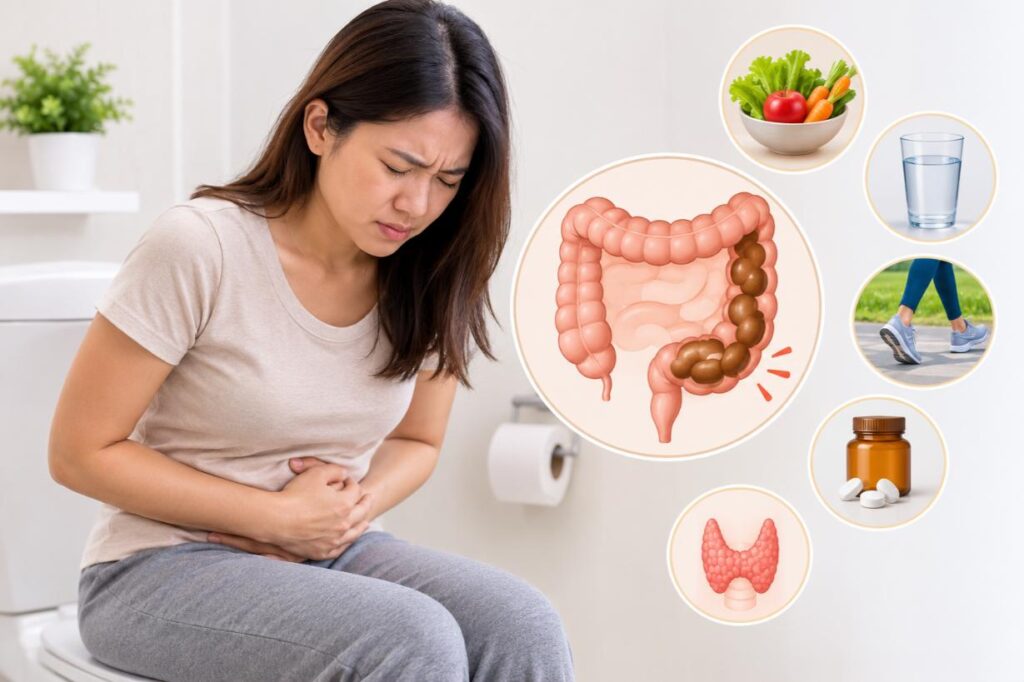
Chronic constipation means hard, infrequent or difficult bowel movements lasting three months or more. The most common causes are low fibre intake, not drinking enough, inactivity and ignoring the urge to go. Medications, an underactive thyroid, diabetes, pelvic floor problems and irritable bowel syndrome can also cause it. See a specialist if constipation is new after age 50, or comes with bleeding or weight loss.
Understanding Fatty Liver Disease: Early Signs and Lifestyle Factors

You limit yourself to one or two drinks at dinner. You skip the heavy stuff on weeknights. You consider yourself a moderate drinker.
The Gut-Brain Connection: How Stress Affects Digestion
You limit yourself to one or two drinks at dinner. You skip the heavy stuff on weeknights. You consider yourself a moderate drinker.
Damaging Effects of Alcohol on Your Liver

Maintaining good gastric health is essential for overall wellbeing. Overeating and under-eating can both negatively affect the stomach, as well as consuming unhealthy foods. Eating balanced meals, drinking plenty of water, and avoiding unhealthy habits are key to having a healthy stomach. Taking these steps will help ensure a healthy digestive system for years to come.